Stigma is preventing Australia from treating obesity
Medical weight loss is no longer niche, with over half a million Australians now reported to be using a treatment.
Yet despite mainstream use, these treatments are still met with suspicion and secrecy.
From celebrity gossip and sensationalist headlines to group chats and dinner tables, public conversation often centres on fear or morality.
The result is shame.
We commissioned a study to assess the state of play in Australia, and it found that most patients choose to hide their use of medical weight loss treatment. That silence has consequences.
Eligible people delay or avoid treatment entirely due to fear of judgement.
And with excess weight now the leading modifiable risk factor for ill health in Australia, this is not about vanity. It is about health.
So why does the stigma persist?
Unpacking our attitude problem
Our latest research, conducted in Australia and the UK, reveals a significant gap between medical reality and public perception.
While obesity is recognised by global health authorities as a chronic disease, many Australians still view medical weight loss as illegitimate, unsafe, or morally suspect.
.svg)
Australia’s Attitude Problem: the stigma of medical weight loss

The scourge of the stigma

65.8%
of men believe losing weight through diet and exercise is more legitimate
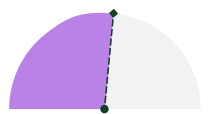
58%
of Australians believe obesity is a disease

61.6%
believe losing weight through diet and exercise alone is more legitimate
A majority of Australians (61.6%) believe losing weight through diet and exercise alone is more legitimate than losing weight using medical treatment, and over one in three (34%) still agree that weight management is a matter of only willpower.
65.8% of men believe losing weight through diet and exercise is more legitimate, compared to 57.9% of women.
Only 58.8% of Australians believe obesity is a disease, despite it being officially classified as such by the World Health Organisation (WHO).

72%
have hidden their use of medical weight loss treatment from a family member, friend, or colleague

78%
report hearing negative sentiment about medical weight loss in the media
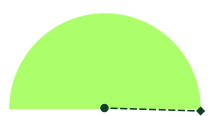
400%
increase of media mentions of medical weight loss
The impact of stigma on Australians
Almost 3 in 4 Juniper members in Australia (72%) have hidden their use of medical weight loss treatment from a family member, friend, or colleague.
Of those Australian members who have hidden their medical treatment usage, 41% cite shame as a reason, demonstrating the impact of stigma - and the shame it creates - on patient behaviour. This is only exceeded by privacy, which is cited by 47% of respondents.
Negativity is rampant, with 78% of members report hearing negative sentiment about medical weight loss in the media, 71% on social media, and 62% from people they know.
Media and public fascination with medical weight loss has exploded – Google search data shows Australian media mentions of medical weight loss increased by almost 400% between 2023-2025, and search interest for a well-known medical weight loss method has frequently outpaced cultural icons like Bluey and even Taylor Swift’s Eras tour.
How it feels
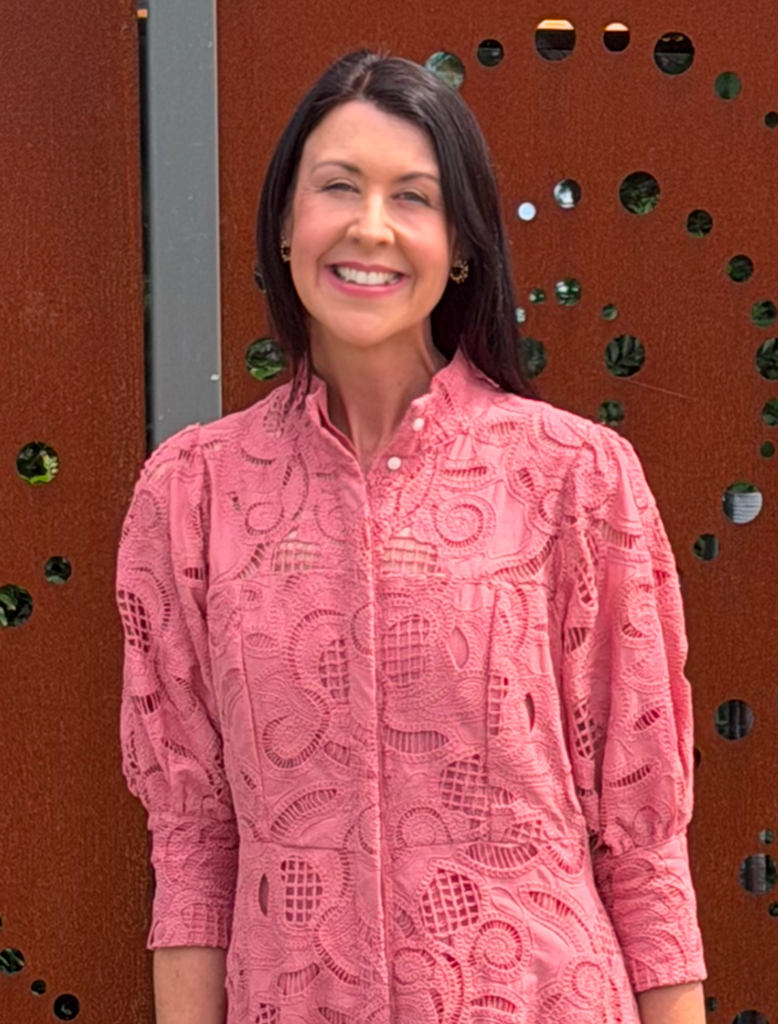
“I’ve got a full life, a job where people know me, and a community where everyone knows everyone.The judgment can be real. People act like needing medical support says something about your character, not your health. So you stay quiet. You keep it to yourself. But when people feel they have to hide, that’s when stigma wins - and it keeps the whole conversation stuck.”
— Leanne Hughes, 46
What needs to change?
Our latest research, conducted in Australia and the UK, reveals a significant gap between medical reality and public perception.
While obesity is recognised by global health authorities as a chronic disease, many Australians still view medical weight loss as illegitimate, unsafe, or morally suspect.
Australia’s Attitude Problem: the stigma of medical weight loss

Juniper’s campaign
Capturing real voices and stories from our community, Juniper’s Back us or back off campaign challenges the homogenised view of patients using medical weight loss.
Through moments of honesty and self-reflection, it explores the frustrations, joy and motivations of women choosing medical weight loss in Australia in 2026.
