
Your best hair days are still ahead
Grow thicker, fuller hair in 3 to 6 months with clinician-designed regrowth treatment plans.
Personalised, science-backed support for hair regrowth
Consultation and treatment plan designed by experts in weight- and hormone-driven hair loss
Visible results in as little as three months
All sorted without leaving the house

55% of women experience hair loss in their lifetime.
When your hair starts to change, it can feel like you're losing a piece of yourself.
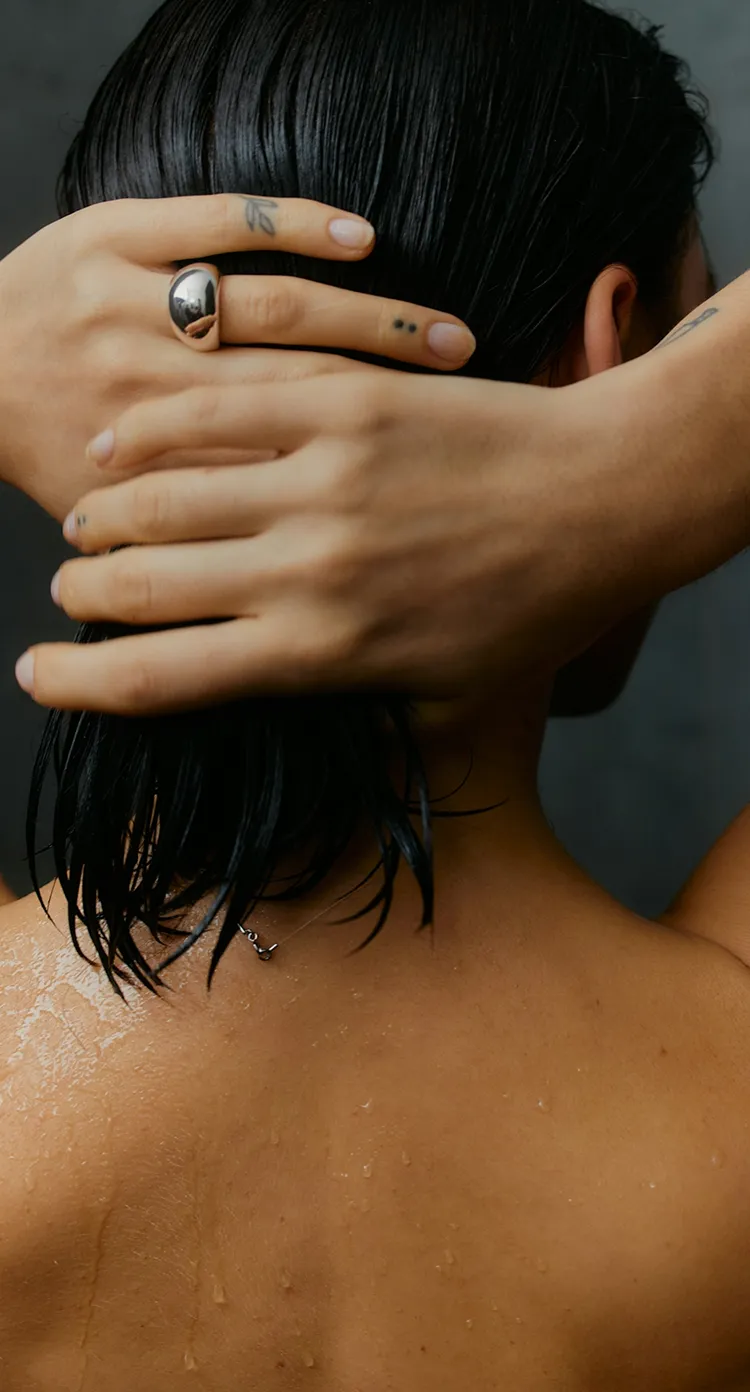
Your hair loss has a root
cause

Rapid weight loss and stress
While TE may resolve on its own, the right type of treatment can speed up healthy regrowth sooner.
Rapid weight loss
and stress
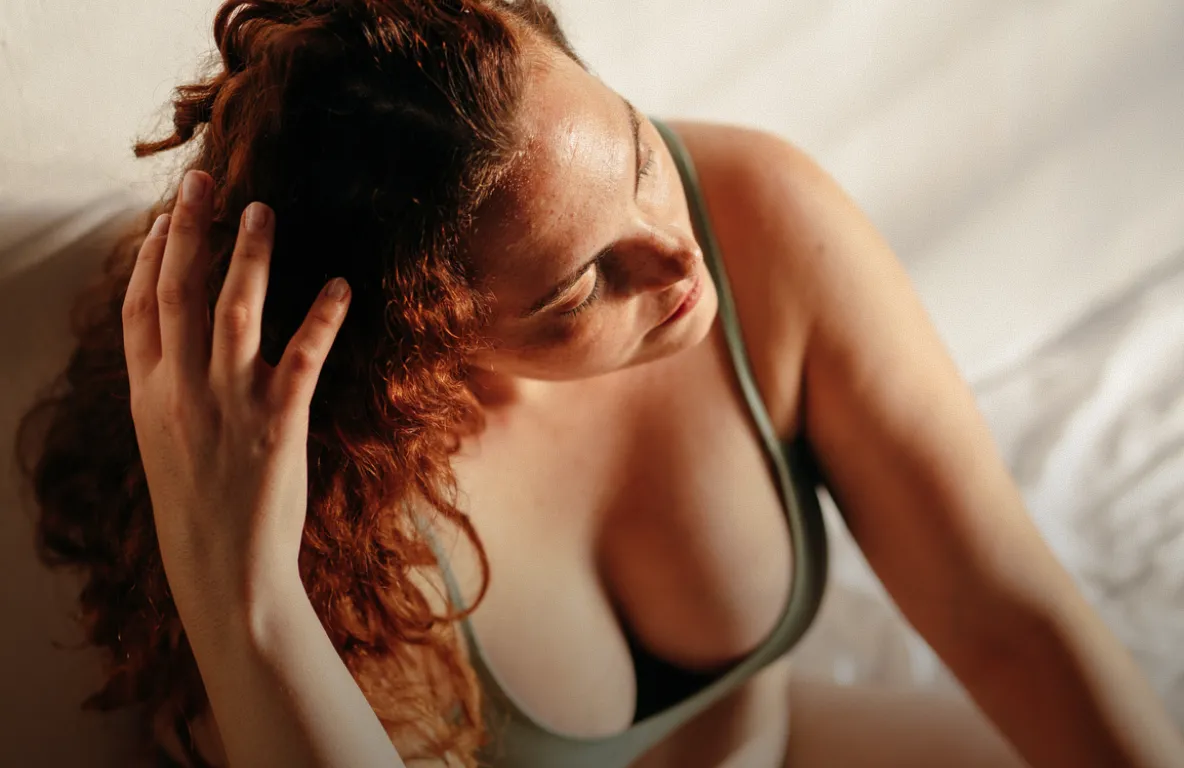
Hormonal changes
The right support can slow progression and promote healthier regrowth.
Hormonal changes
Thicker, stronger hair ahead
Hair loss can look different person to person. If you're noticing any of these signs, there’s something you can do about it.
Hair care starts from within
28%
82%
Start a treatment plan that is built for your hair loss
Start quizThank you for completing the quiz!
Let’s finalise your hair profile and get you assessed by a Juniper practitioner.
This will typically take less than 5 minutes.
Hair care is possible
in 3 to 6 months
better hair days
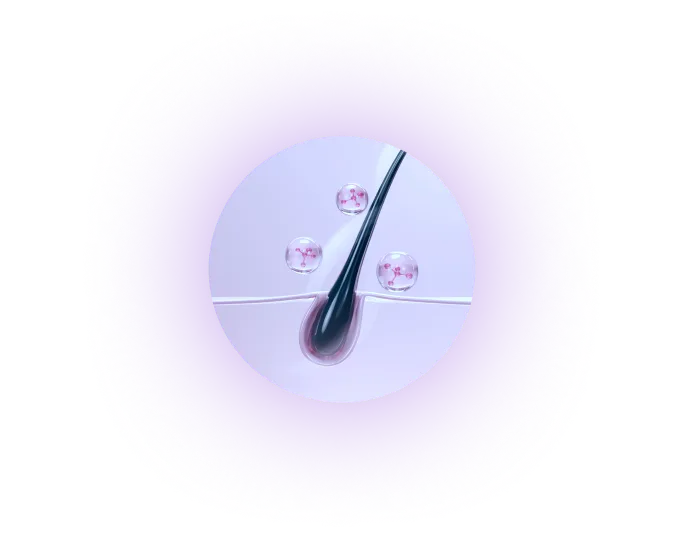
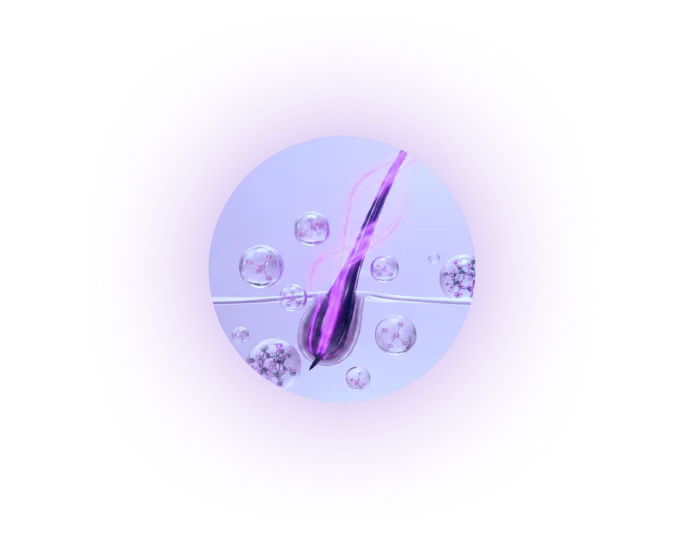
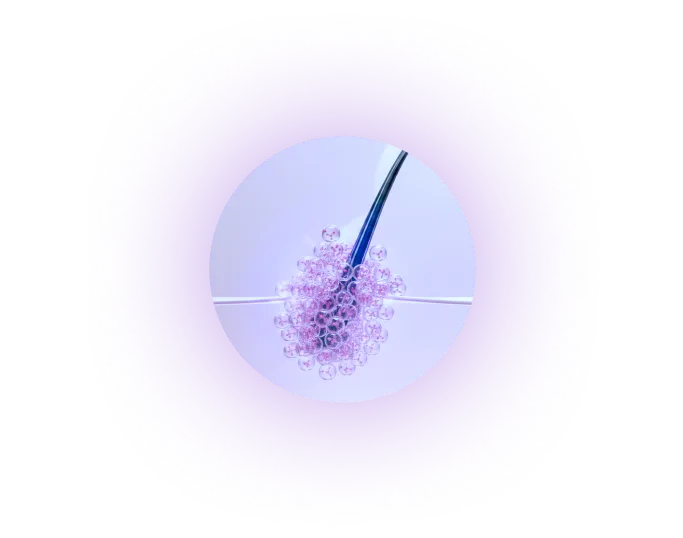

Your hair, assessed by a practitioner
Get the answers you’re looking for. Juniper offers:
A personalised consult with an expert practitioner, who can assess where your hair is at and what support might look like
A personalised treatment plan built around you, with varying treatment options that fit into your hair routine
$24.99
Juniper patients, experiencing real results
Frequently asked questions
What is female pattern hair loss (FPHL)?
Female pattern hair loss (FPHL) is the most common cause of gradual hair thinning in women. It happens when hair follicles slowly shrink over time, leading to shorter, finer hairs and reduced overall hair density, especially on the crown (top) and parting area.
How common is female pattern hair loss?
FPHL affects up to 40% of women by age 50 and nearly 60% by age 70. It can start as early as your 20s or 30s, but it’s most common after menopause.
What causes female hair loss?
The exact cause is a mix of genetics, hormones, and ageing:
- Genetics: You may inherit the tendency from either parent.
- Hormones: Sensitivity to male hormones (like DHT) and reduced oestrogen after menopause can speed up hair thinning.
- Other factors: Stress, iron deficiency, thyroid issues, and nutritional imbalances can make it worse.
It’s not caused by poor hygiene, frequent washing, or tight hairstyles on their own. Very tight styles over many years can cause a different problem called traction alopecia, which can add to hair thinning.
Can stress cause hair loss?
Yes, but that’s a different condition called telogen effluvium (TE). It causes sudden shedding after illness, stress, medication change, sudden weight loss or pregnancy. Sometimes TE can “unmask” underlying FPHL by making thinning more visible.
How do you diagnose female pattern hair loss?
We assess:
- The pattern and severity of thinning using validated scales from clinical trials.
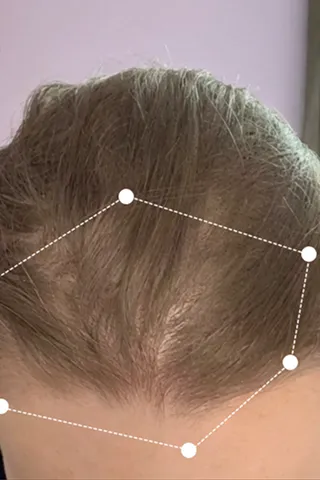
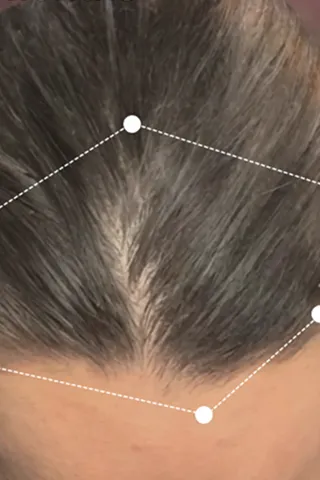
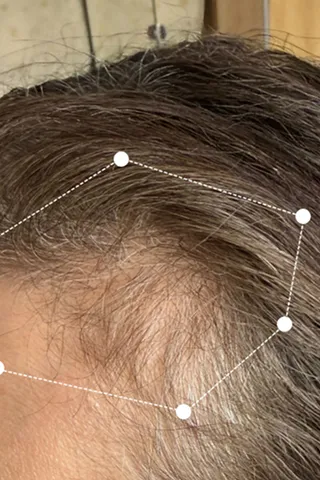
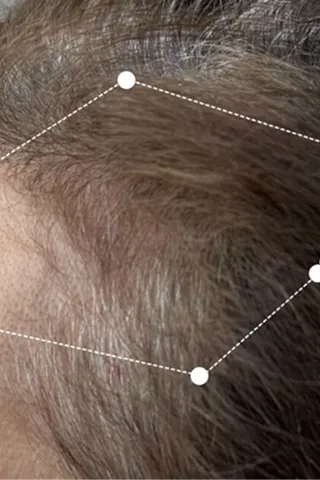
- Photos of your scalp from different angles.
- Your medical history, including periods, hormones, pregnancies and medications.
How long does it take to see results?
Patience is key – most women start noticing improvement after 3–6 months, with fuller results at 12 months.
Hair growth cycles are slow, so consistency is essential.
Do I need to submit hair photos?
Yes, part of the Juniper Hair quiz requires patients to upload clear scalp photos that your practitioner can review. These photos are required prior to a consultation so that your practitioner can assess your current hair, where you’re at and what support could look like.